


For many women, the dream of starting or growing a family can become overwhelming when they are diagnosed with uterine fibroids. One of the first questions they ask is, “Can fibroids affect fertility?” The answer is more complex than a simple yes or no.
The good news is that most women with fibroids can still become pregnant naturally. However, depending on their size, number, and location, fibroids may interfere with conception, implantation, or pregnancy. Understanding how fibroids affect reproductive health is the first step toward making informed decisions about treatment and preserving fertility.
If you’ve recently been diagnosed with fibroids or are struggling to conceive, this guide explains everything you need to know about the relationship between uterine fibroids and fertility, the symptoms to watch for, available treatment options, and when to seek medical advice.
What Are Uterine Fibroids?
Uterine fibroids, also called leiomyomas or myomas, are non-cancerous growths that develop from the muscular wall of the uterus. They are incredibly common, affecting up to 70–80% of women before the age of 50.
Although they are benign, fibroids vary significantly in size and location. Some women have tiny fibroids that never cause symptoms, while others develop large tumors capable of changing the shape of the uterus.
Common symptoms include:
- Heavy menstrual bleeding
- Pelvic pressure or pain
- Frequent urination
- Constipation
- Pain during intercourse
- Enlarged abdomen
- Difficulty becoming pregnant
Interestingly, many women discover they have fibroids only after undergoing fertility evaluations.

Can Fibroids Cause Infertility?
The short answer is yes—but not always.
Research suggests that fibroids are the sole cause of infertility in only a small percentage of women. However, they may contribute to fertility challenges when they interfere with the normal anatomy or function of the uterus.
Whether fibroids affect fertility depends primarily on:
- Their location
- Their size
- Their number
- Whether they distort the uterine cavity
This means that two women with fibroids may have completely different fertility outcomes.
Which Fibroids Are Most Likely to Affect Fertility?
Not all fibroids behave the same way.
Submucosal Fibroids
Submucosal fibroids grow inside the uterine cavity. These are considered the most significant type when discussing fertility because they can interfere with embryo implantation and increase the risk of miscarriage.
Even relatively small submucosal fibroids may reduce pregnancy rates.
Intramural Fibroids
Intramural fibroids develop within the muscular wall of the uterus.
Large intramural fibroids can alter blood flow, reduce the space available for implantation, or change the shape of the uterus. While not every intramural fibroid affects fertility, larger ones are more likely to cause problems.
Subserosal Fibroids
Subserosal fibroids grow on the outer surface of the uterus.
These usually do not affect fertility, although extremely large fibroids may compress surrounding organs and contribute to pelvic discomfort.

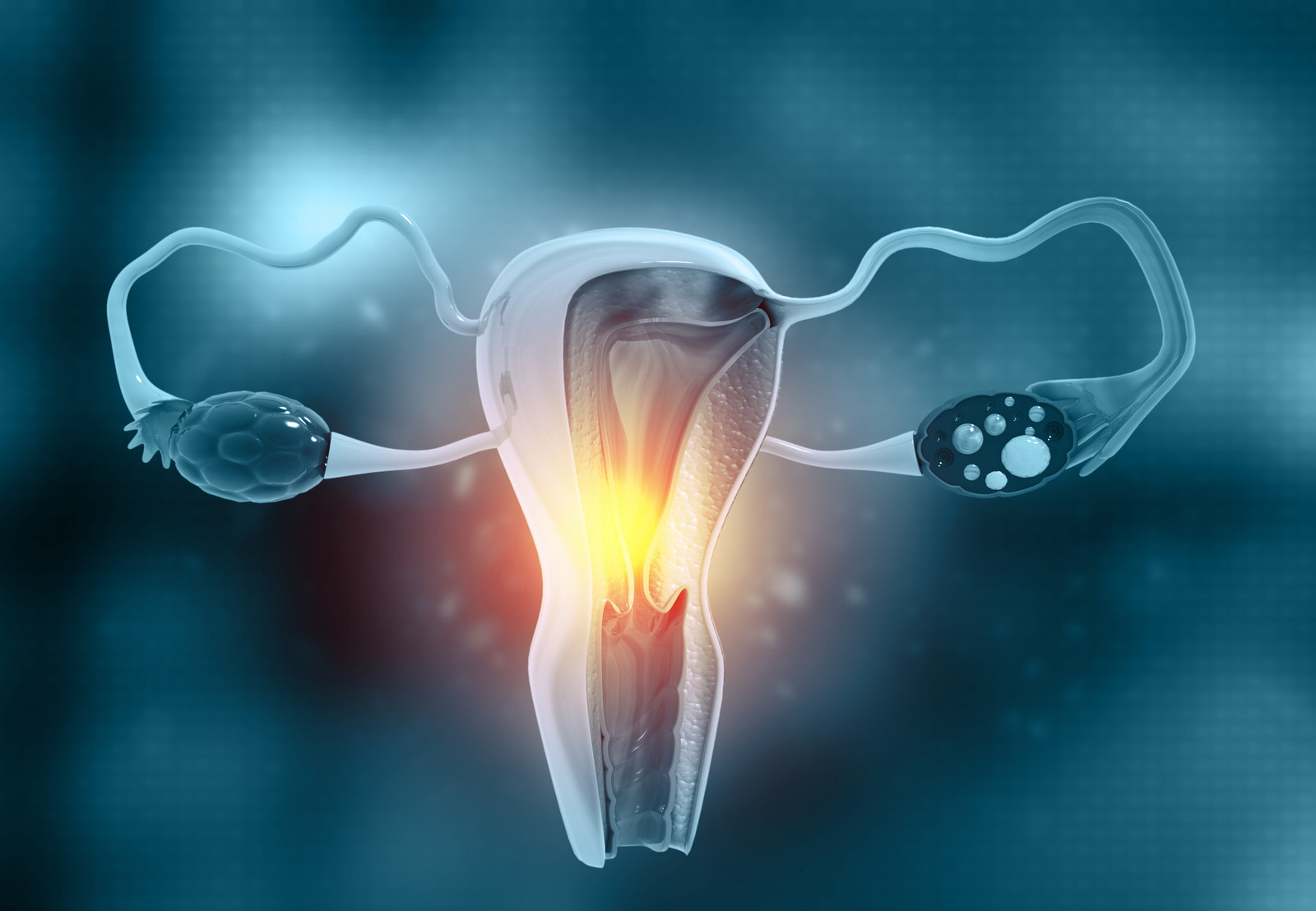
How Fibroids Can Interfere With Pregnancy
Fibroids may influence fertility through several mechanisms.
One possibility is that they distort the uterine cavity, making implantation more difficult. Others may partially block the fallopian tubes, preventing sperm and egg from meeting.
Some fibroids can alter blood circulation within the uterus, reducing the blood supply needed for successful embryo implantation. Others may trigger inflammation or interfere with normal uterine contractions that help sperm travel toward the egg.
The degree of fertility impairment depends on each woman’s unique anatomy.
Can Fibroids Increase the Risk of Miscarriage?
Yes.
Women with certain types of fibroids, particularly submucosal fibroids, may experience a higher risk of miscarriage.
Fibroids can reduce the available space for fetal development or interfere with placental attachment. They may also contribute to abnormal uterine contractions during pregnancy.
That said, many women with fibroids go on to have healthy pregnancies, especially when the fibroids are small or located away from the uterine cavity.
Pregnancy With Fibroids
Pregnancy is still possible for many women with fibroids.
However, healthcare providers may monitor pregnancies more closely because fibroids have been associated with complications such as:
- Preterm labor
- Breech presentation
- Placental abruption
- Cesarean delivery
- Postpartum hemorrhage
These complications are not inevitable, but they highlight the importance of individualized prenatal care.
When Should Fibroids Be Treated?
Treatment depends on several factors, including:
- Your symptoms
- Your age
- Your reproductive goals
- Fibroid size
- Fibroid location
- Previous pregnancy history
Women who have no symptoms and whose fibroids are unlikely to affect fertility may only require periodic monitoring.
Others may benefit from treatment before attempting pregnancy.

Understanding Your Treatment Options
Several treatment options exist for uterine fibroids.
Medication can temporarily control symptoms such as heavy bleeding but generally does not eliminate fibroids permanently.
Surgical removal, known as myomectomy, remains an option for selected patients, particularly when fibroids significantly distort the uterine cavity.
In recent years, Uterine Fibroid Embolization (UFE) has emerged as an effective minimally invasive treatment for many women seeking symptom relief while avoiding major surgery.
Unlike traditional surgery, embolization does not require large incisions or removal of the uterus. Instead, an interventional radiologist blocks the blood vessels feeding the fibroids, causing them to gradually shrink while preserving the uterus.
Recovery is typically much faster than after open surgery, allowing many women to return to normal activities within days rather than weeks.
Because every patient has different fertility goals, the most appropriate treatment should always be discussed with an experienced specialist.
Is Uterine Fibroid Embolization Right for Women Who Want Children?
This is one of the most common questions women ask.
The answer depends on individual circumstances.
Some women have successfully conceived after Uterine Fibroid Embolization, while others may be better candidates for alternative treatments depending on the location and characteristics of their fibroids.
Current international guidelines emphasize the importance of individualized decision-making. Women planning future pregnancy should have a comprehensive evaluation by specialists experienced in both fertility preservation and minimally invasive treatments.
At Emboclinic, every patient receives a personalized assessment to determine whether embolization is an appropriate option based on her medical history, imaging findings, symptoms, and reproductive goals.
For women traveling from other countries, an initial virtual consultation allows specialists to review imaging studies and discuss available treatment options before planning any visit.
How Are Fibroids Diagnosed?
Diagnosis usually begins with a detailed medical history and pelvic examination.
Imaging studies help determine the exact number, size, and location of fibroids.
These may include:
- Pelvic ultrasound
- Transvaginal ultrasound
- Magnetic Resonance Imaging (MRI)
MRI is particularly valuable when planning minimally invasive treatments because it provides detailed information about fibroid anatomy and blood supply.
Can Lifestyle Changes Prevent Fibroids?
Although no lifestyle change can completely prevent fibroids, maintaining overall health may help reduce certain risk factors.
A balanced diet rich in fruits, vegetables, and whole grains supports hormonal health. Regular physical activity contributes to maintaining a healthy weight, which may influence estrogen levels.
Managing chronic stress, limiting excessive alcohol intake, and avoiding smoking are also beneficial for overall reproductive health.
However, genetics and hormonal influences remain the strongest contributors to fibroid development.
When Should You See a Specialist?
Women should seek medical evaluation if they experience:
Heavy menstrual bleeding that interferes with daily life, persistent pelvic pain, pressure symptoms affecting the bladder or bowel, repeated pregnancy loss, infertility lasting more than 12 months (or six months for women over 35), or rapidly enlarging fibroids.
Early diagnosis often provides more treatment options and may improve reproductive outcomes.
Frequently Asked Questions
Can small fibroids affect fertility?
Most small fibroids do not affect fertility unless they grow inside the uterine cavity.
Can I get pregnant naturally if I have fibroids?
Yes. Many women with fibroids conceive naturally and have healthy pregnancies.
Do all fibroids require surgery?
No. Many fibroids require only observation, while others can be treated using minimally invasive techniques such as Uterine Fibroid Embolization.
Is embolization a minimally invasive treatment?
Yes. Uterine Fibroid Embolization is performed through a tiny puncture in the wrist or groin without removing the uterus or making large surgical incisions.

Take the Next Step Toward Understanding Your Fertility
Being diagnosed with uterine fibroids does not automatically mean you will experience infertility. The relationship between fibroids and fertility is highly individual, which is why a personalized medical evaluation is essential.
If you have been trying to conceive, experiencing heavy menstrual bleeding, pelvic pain, or have recently learned you have fibroids, understanding all available treatment options can help you make confident decisions about your reproductive health.
At Emboclinic, our specialists evaluate each patient individually and discuss evidence-based treatment options, including Uterine Fibroid Embolization, when appropriate. If you are an international patient, you can schedule a virtual consultation to review your imaging studies, discuss your symptoms, and receive a personalized treatment recommendation before traveling.
Learning more about your condition today could be the first step toward protecting both your health and your future fertility.

