


If you’ve been diagnosed with an enlarged prostate, also known as Benign Prostatic Hyperplasia (BPH), you’ve probably heard about medications, laser procedures, or surgery. But in recent years, another treatment has been changing the lives of thousands of men worldwide: Prostate Artery Embolization (PAE).
For many international patients, discovering that there is a minimally invasive alternative to surgery is both surprising and reassuring. Instead of removing prostate tissue, this innovative procedure treats the problem from its source by reducing the blood supply that causes the prostate to enlarge.
In this guide, we’ll explain everything you need to know about Prostate Artery Embolization, how it works, who it’s for, what recovery is like, and why many patients travel abroad for this advanced treatment.

Understanding Benign Prostatic Hyperplasia (BPH)
As men age, the prostate naturally tends to grow. This condition, known as Benign Prostatic Hyperplasia (BPH), affects millions of men worldwide and becomes increasingly common after the age of 50.
Although BPH is not prostate cancer, it can significantly impact quality of life.
Common symptoms include:
- Frequent urination, especially at night
- Difficulty starting urination
- Weak urine stream
- Feeling that the bladder isn’t completely empty
- Sudden urgency to urinate
- Interrupted urine flow
Many men initially manage these symptoms with medication. However, medications don’t work for everyone, and some patients experience unwanted side effects or find that the symptoms gradually worsen over time.
That’s where Prostate Artery Embolization has become an important treatment option.
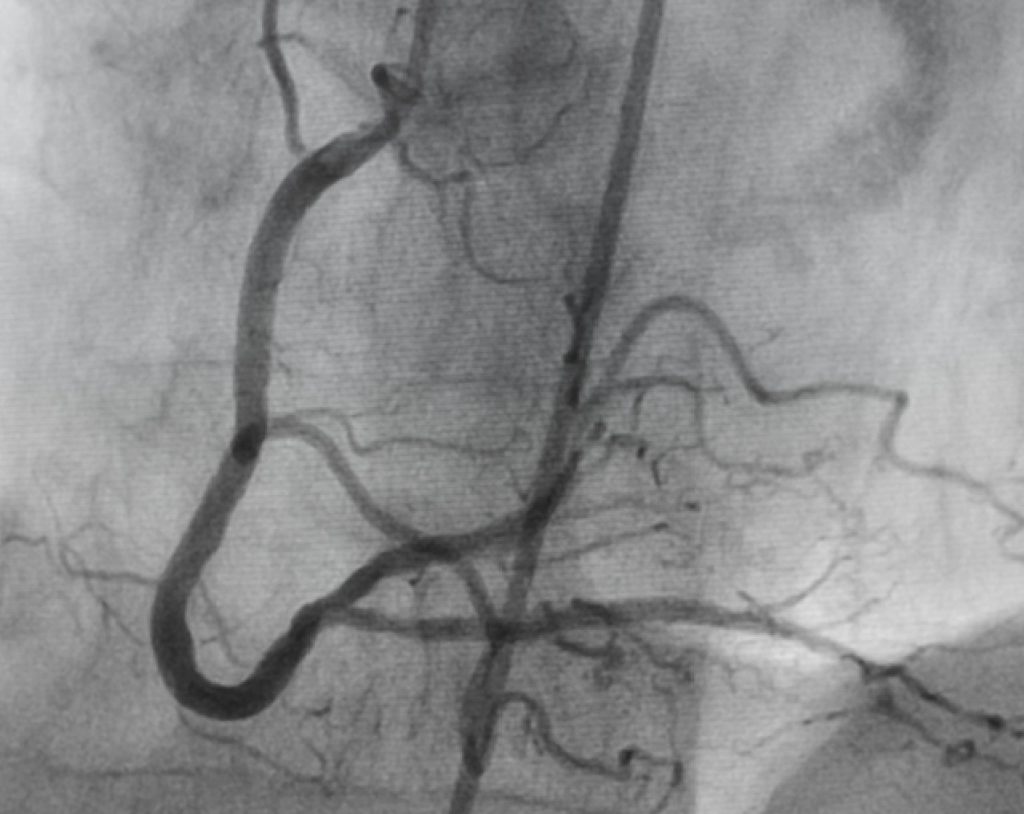
What is Prostate Artery Embolization (PAE)?
Prostate Artery Embolization (PAE) is a minimally invasive image-guided procedure performed by an Interventional Radiologist.
Instead of removing the prostate through surgery, the physician inserts a tiny catheter through a small puncture—typically in the wrist or groin—and navigates it to the arteries supplying blood to the prostate.
Using microscopic particles, these arteries are selectively blocked, reducing blood flow to the enlarged prostate. Over the following weeks and months, the prostate gradually shrinks, relieving pressure on the urethra and improving urinary symptoms.
The procedure:
- Does not require major surgery
- Usually requires only local anesthesia and light sedation
- Leaves no surgical incision
- Is typically performed on an outpatient basis
- Allows patients to return home the same day in many cases
This makes PAE an increasingly attractive option for patients looking to avoid traditional prostate surgery.
How Does Prostate Artery Embolization Work?
The success of PAE lies in treating the underlying cause of prostate enlargement.
Here’s how the procedure works:
Step 1: Vascular Access
A tiny catheter is introduced into an artery through a very small puncture.
Step 2: Advanced Imaging
Using real-time X-ray imaging, the interventional radiologist carefully navigates the catheter to the prostate arteries.
Step 3: Embolization
Microscopic embolic particles are released into the arteries feeding the prostate.
Step 4: Prostate Shrinkage
With reduced blood flow, the prostate gradually decreases in size over the following weeks.
Step 5: Symptom Relief
As the prostate becomes smaller, pressure on the urethra decreases, allowing urine to flow more normally.
Unlike surgery, there is no cutting, no removal of tissue, and no stitches.
Who is a Good Candidate for PAE?
Not every patient with BPH requires surgery, and not everyone is an ideal candidate for embolization.
PAE may be appropriate for men who:
- Have moderate to severe urinary symptoms
- Have an enlarged prostate
- Want to avoid traditional surgery
- Have not improved with medication
- Cannot tolerate medication side effects
- Are considered high-risk surgical candidates
- Wish to preserve their quality of life with a minimally invasive option
A complete medical evaluation—including imaging studies and consultation with specialists—is necessary before determining the best treatment.

Benefits of Prostate Artery Embolization
One reason PAE has gained international attention is the combination of effectiveness and minimal recovery time.
Potential benefits include:
Minimally Invasive
No large incisions or surgical removal of tissue.
Outpatient Procedure
Most patients return home the same day.
Short Recovery
Many patients resume normal activities within a few days.
Lower Risk of Major Surgical Complications
Because there is no open surgery, recovery tends to be easier for many patients.
Symptom Improvement
Studies have shown significant improvements in urinary symptoms and quality of life for appropriately selected patients.
Treatment for Large Prostates
PAE may be an option even for patients with significantly enlarged prostates who might otherwise require more extensive surgery.
What is Recovery Like?
Recovery after PAE is generally much faster than after traditional prostate surgery.
Patients commonly experience:
- Mild pelvic discomfort
- Temporary urinary frequency
- Mild burning during urination
- Fatigue for a day or two
These symptoms usually improve within several days.
Many patients:
- Walk immediately after the procedure
- Return to light activities within 24–48 hours
- Resume work in just a few days, depending on their occupation
The prostate continues shrinking over several months, meaning improvements often continue gradually after treatment.

Is Prostate Artery Embolization Safe?
Like any medical procedure, PAE carries potential risks. However, when performed by an experienced Interventional Radiology team using modern imaging technology, it has demonstrated a strong safety profile in appropriately selected patients.
Possible risks include:
- Temporary urinary discomfort
- Mild pelvic pain
- Urinary tract infection
- Bruising at the catheter insertion site
- Rare non-target embolization
Careful patient selection and physician experience play an important role in minimizing these risks.
Why International Patients Are Choosing Mexico for PAE
Medical tourism has grown rapidly over the past decade, and many international patients now travel abroad for specialized minimally invasive procedures.
Mexico has become a leading destination because patients often find:
- Shorter waiting times
- Personalized care
- Advanced medical technology
- Highly trained specialists
- Modern hospitals
- Convenient travel from the United States and Canada
Many patients appreciate being able to combine high-quality medical care with a smooth travel experience close to home.
Why Experience Matters
Prostate Artery Embolization is one of the most technically demanding procedures in interventional radiology.
The arteries supplying the prostate can vary significantly from one patient to another, making physician expertise essential for achieving optimal results.
At EMBOCLINIC, every patient undergoes a comprehensive evaluation before treatment. Advanced imaging, individualized planning, and specialized expertise allow the medical team to determine whether PAE is the right option for each case.
For international patients, this personalized approach helps create confidence from the very first consultation through recovery.
Frequently Asked Questions
Does PAE cure BPH?
PAE significantly reduces prostate size and relieves urinary symptoms in many patients. Results vary depending on individual anatomy and overall health.
Will I need general anesthesia?
Most procedures are performed using local anesthesia with light sedation rather than general anesthesia.
How long does the procedure take?
Most procedures are completed in approximately 60 to 90 minutes, depending on the complexity of the patient’s anatomy.
Will I stay overnight?
Many patients return home the same day, although recommendations depend on each individual’s medical condition and travel plans.
When will I notice improvement?
Some patients notice improvement within days, while others experience gradual symptom relief over several weeks as the prostate continues to shrink.

A New Option for Men Living with BPH
Living with urinary symptoms can affect sleep, work, travel, and everyday confidence. While medications and surgery remain important treatment options, Prostate Artery Embolization offers another path for many men seeking a less invasive solution.
Understanding all available treatments empowers patients to make informed decisions together with their healthcare providers.
If you’re exploring options for enlarged prostate treatment without surgery, learning about Prostate Artery Embolization is an excellent place to start. For many international patients, this innovative procedure represents the possibility of symptom relief, faster recovery, and a return to normal life without undergoing traditional surgery.
At EMBOCLINIC, we welcome patients from around the world who are looking for expert evaluation, personalized treatment plans, and minimally invasive solutions. Our team is committed to helping every patient understand their options and determine whether Prostate Artery Embolization is the right choice for their individual needs.
